
Parenting well after a difficult childhood
This is a guest post by trauma therapist Shelley Bradley-Scholey.
Many people who grew up in difficult or adverse circumstances worry that their own trauma and lack of healthy adult role models will shape them as parents. In my work with survivors of childhood trauma, people repeatedly tell me that they fear they will struggle to be good parents because of their early life experiences. They do not want their experiences to become those of their child and whilst these worries are understandable, they do not mean you cannot go on to become a great parent.
Can you be a good parent if you had a bad childhood?
Absolutely. Plenty of people who experienced instability, neglect or emotional pain as children go on to raise happy, secure and loved children. The fact that you’re asking the question already shows self-awareness and a desire to do better, which are both key ingredients in positive parenting.
This article is not a criticism of people who have experienced a difficult childhood and I absolutely want to reinforce that experiencing trauma does not lead people to go on to become abusers or treat their children in the same way that they were treated. But I do want to shine a light on some of the difficulties a bad childhood can leave us with and acknowledge that sometimes those difficulties are amplified when we enter into parenthood.
Understanding how your early experiences may influence how you parent can make it easier to manage them.
Parenting is rewarding, but it’s also relentless. When your own upbringing involves trauma or emotional hardship, the daily pressures of parenthood can sometimes reopen old wounds or bring up unexpected feelings. This does not mean you are doing something wrong; it simply highlights that the process of raising children touches deep emotional layers.
Why parenting after trauma can feel more complex
Becoming a parent changes how we see ourselves in every area of our lives. It challenges the parts of us that have been shaped by the past. For some people, it is the first time they truly examine their own early life experiences and it can put all of our coping strategies under a microscope.
For example, some people who grew up in unpredictable homes can go on to become perfectionists. They may have learned that getting everything right kept them safe or earned approval. Once children arrive, perfection is impossible, and that sense of control can crumble. You might find yourself feeling exposed, insecure or self-critical in ways you hadn’t expected.
Others might find that their children’s behaviour triggers old memories. A baby’s crying can unconsciously echo the unmet needs of your own childhood. A toddler’s defiance might remind you of moments when expressing emotion was unsafe. These reactions can be confusing and distressing, especially if you thought you weren’t aware of the impact of these things or thought that you had moved beyond those experiences.
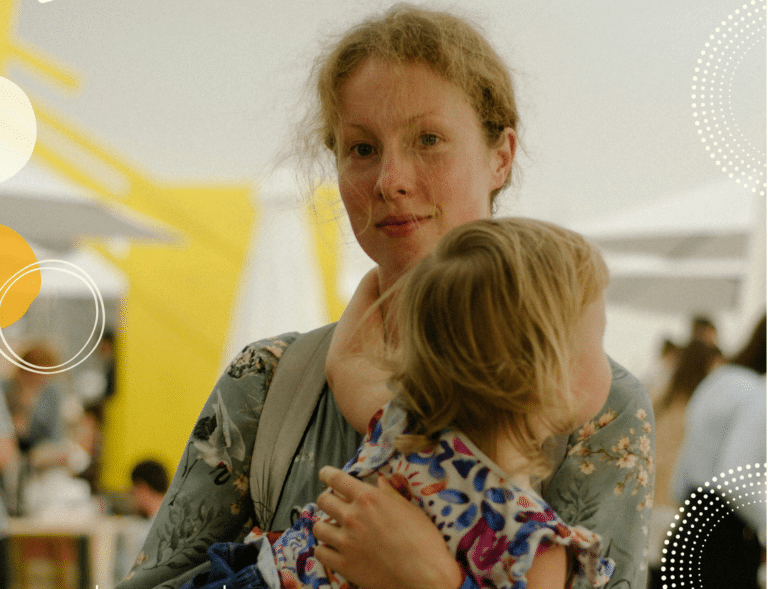
Parenthood can also highlight what was missing in your own early life. Watching your child receive love, attention and safety may bring joy, but also sadness for the child you once were.
The role of emotional regulation
Parenting is emotionally demanding for everyone. Lack of sleep, long workdays and the sheer volume of responsibilities can test even the calmest adult. If your early experiences left you with a heightened sensitivity to stress or difficulty regulating emotions, those everyday pressures can feel magnified.
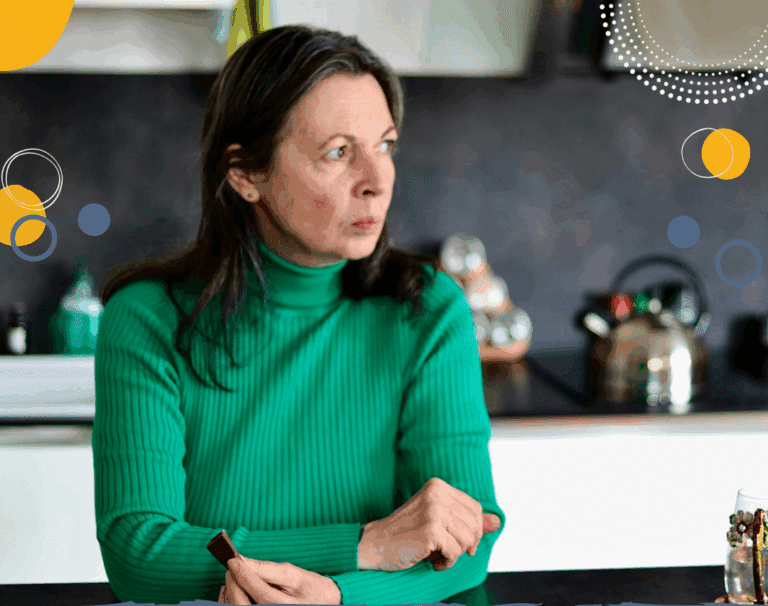
Perhaps you have promised yourself never to shout or lose your temper because you associate that behaviour with your own parents. Yet when you find yourself tired, overstretched or triggered, staying calm can feel almost impossible. The guilt that follows only adds another layer of stress.
It is important to recognise that this struggle is not a reflection of your worth as a parent. It’s a sign that your nervous system is working harder than most. The good news is that emotional regulation can be strengthened with awareness and practice.
Strategies for parenting after a difficult childhood
Parenting after trauma involves both caring for your children and re-parenting yourself. Here are some practical ways to support that process.
- Identify positive role models. Think about adults from your childhood who made you feel safe, seen or valued. It might have been a teacher, a friend’s parent or a coach. Reflect on what they did that helped you feel cared for. Those memories can serve as useful guides for your own parenting.
- Notice your emotional triggers. When you feel overwhelmed, pause and name what’s happening: “I feel angry,” or “I feel scared.” Simply noticing and naming an emotion helps reduce its intensity and allows you to choose how to respond rather than react.
- Practice self-compassion. You are not your past. When things don’t go as planned, speak to yourself kindly. Mistakes are opportunities to learn, not signs of failure. Self-compassion is also a powerful model for your children, teaching them that it’s safe to be imperfect.
- Prioritise your wellbeing. Working parents often put themselves last, but you can’t give your best when you’re running on empty. Small acts of self-care like taking a short walk after work, having an early night, or asking for help make a meaningful difference over time.
- Seek support when needed. Parenting can stir up powerful emotions, and there is no shame in asking for help. Talking to a therapist or parenting coach or joining a supportive parenting community can help you process your experiences and develop practical tools for managing stress and triggers.
Rewriting the story
Breaking intergenerational patterns is hard work, but it is entirely possible. Every time you respond with patience instead of anger, set a healthy boundary, or offer your child comfort you didn’t receive, you are changing the story. You are proving that love and security can grow even from difficult beginnings.
Parenting after trauma is not about being perfect; it’s about being present, aware and willing to learn. That awareness is what turns fear into growth and it’s what gives your children the gift of something entirely new: a childhood that feels safe.
 Shelley Bradley-Scholey is an accredited trauma therapist and the founder of Fortitude Psychological Therapy an independent therapy practice offering therapy, supervision and teaching, for people who want to learn how to navigate the complexity of trauma. Her clinical and supervisory work offers a patient focussed integrated approach incorporating EMDR, Beckian CBT and Compassion Focussed Therapy.
This post contains affiliate links. That means that if you click through from this post and make a purchase, the Positive Parenting Project will receive a small commission. There is no additional charge to you. This helps us to keep providing free content for our readers. For more info, see Disclosure Notice.



Leave a Reply